


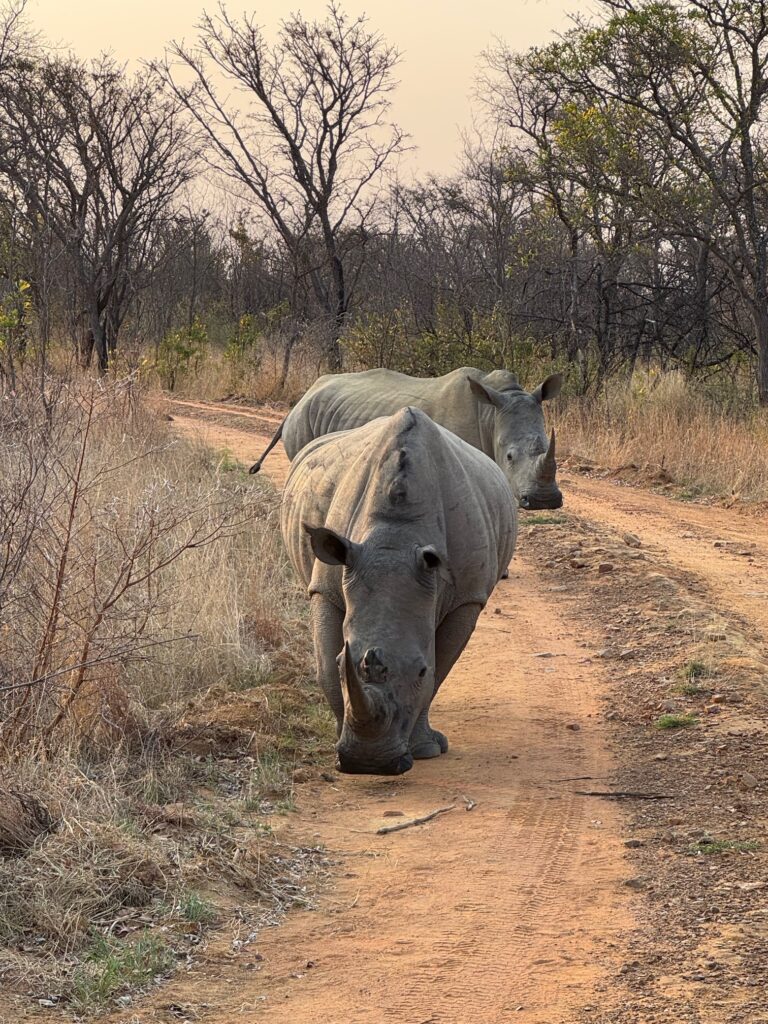
Rhinos on a Knife Edge: New EMS Foundation Report Warns South Africa’s Remaining Rhinos Face Systemic Threats
The EMS Foundation today releases its latest investigative report, Rhinos on a Knife Edge (No.3 in the Where Have All the Rhinos Gone? series), warning that South Africa’s remaining rhino population is caught in a dangerous convergence of policy uncertainty, organised crime, corruption, and renewed pressure to legalise international rhino horn trade.
The report reveals that approximately 2,300–2,500 rhinos remain in South Africa’s state-owned national parks, with just 2,000 rhinos left in the Kruger National Park — once considered the stronghold of the species .
Despite a reported 16% national decline in rhino poaching in 2025, the number of rhinos illegally killed in Kruger National Park doubled during the same period, underscoring the shifting and adaptive nature of transnational criminal syndicates .
Legal Trade Debate Reignited
A controversial Northern Cape High Court ruling in late 2025 permitted limited international export of horn from captive-bred rhinos . The decision has triggered widespread concern among conservationists and legal experts, particularly given repeated rejections at the international level of attempts to reopen rhino horn trade under CITES.
The EMS Foundation argues that allowing trade — even under limited exemptions — risks laundering illegal horn, stimulating demand, and further endangering wild populations.
Corruption and Criminal Infiltration
The report documents significant convictions and arrests in 2025, including former rangers sentenced for rhino poaching-related offences and the dismantling of major trafficking syndicates. Project Blood Orange exposed deep corruption and financial crime networks linked to wildlife trafficking .
However, the Foundation warns that organised crime continues to infiltrate law enforcement and conservation institutions. The appointment of the Madlanga Commission of Inquiry into criminality and political interference highlights the seriousness of systemic corruption affecting wildlife protection efforts .
South Africa Remains the Epicentre
According to intelligence referenced in the report, South Africa is home to 54% of the world’s rhinos and accounted for 82% of rhinos poached across African range states in 2024.
Major seizures in 2025, including a 35.7kg consignment intercepted in Singapore originating from South Africa, demonstrate that trafficking networks remain active, organised, and transnational .
A Species at a Precarious Tipping Point
The EMS Foundation warns that the continued stockpiling of rhino horn, policy contradictions regarding trade, and the prioritisation of commercial wildlife models over ethical conservation are placing the species “on a knife edge.”
“Rhino survival cannot depend on commercial exploitation models that mirror the failed captive lion industry,” the Foundation states. “The fight to save rhinos requires systemic reform, zero tolerance for corruption, and unwavering commitment to international trade bans.”
Call to Action
The EMS Foundation calls on:
The full report, Rhinos on a Knife Edge (February 2026), is available here:
Media Enquiries:
info@emsfoundation.org.za
Image: ©EMS Foundation 2025.
©EMS Foundation 2026. All Rights Reserved.
